
What is crawl space
encapsulation?
A complete guide to how it works, what it includes, and what to consider for your home.

Crawl space encapsulation is the process of sealing the area beneath your home to help control moisture and humidity. It creates a cleaner, more controlled environment that can help protect your home’s structure and improve comfort.
Crawl Space Brothers provides crawl space encapsulation throughout North Carolina, South Carolina, Tennessee, Virginia, and Maryland. We bring hands-on experience with the moisture issues common in these regions. Below, we break down how encapsulation works, its benefits, the process, costs, and what homeowners should know.
Quick answer: What is Crawl Space Encapsulation?
A full crawl space seal: Encapsulation separates the crawl space from the ground and walls from the outside air.
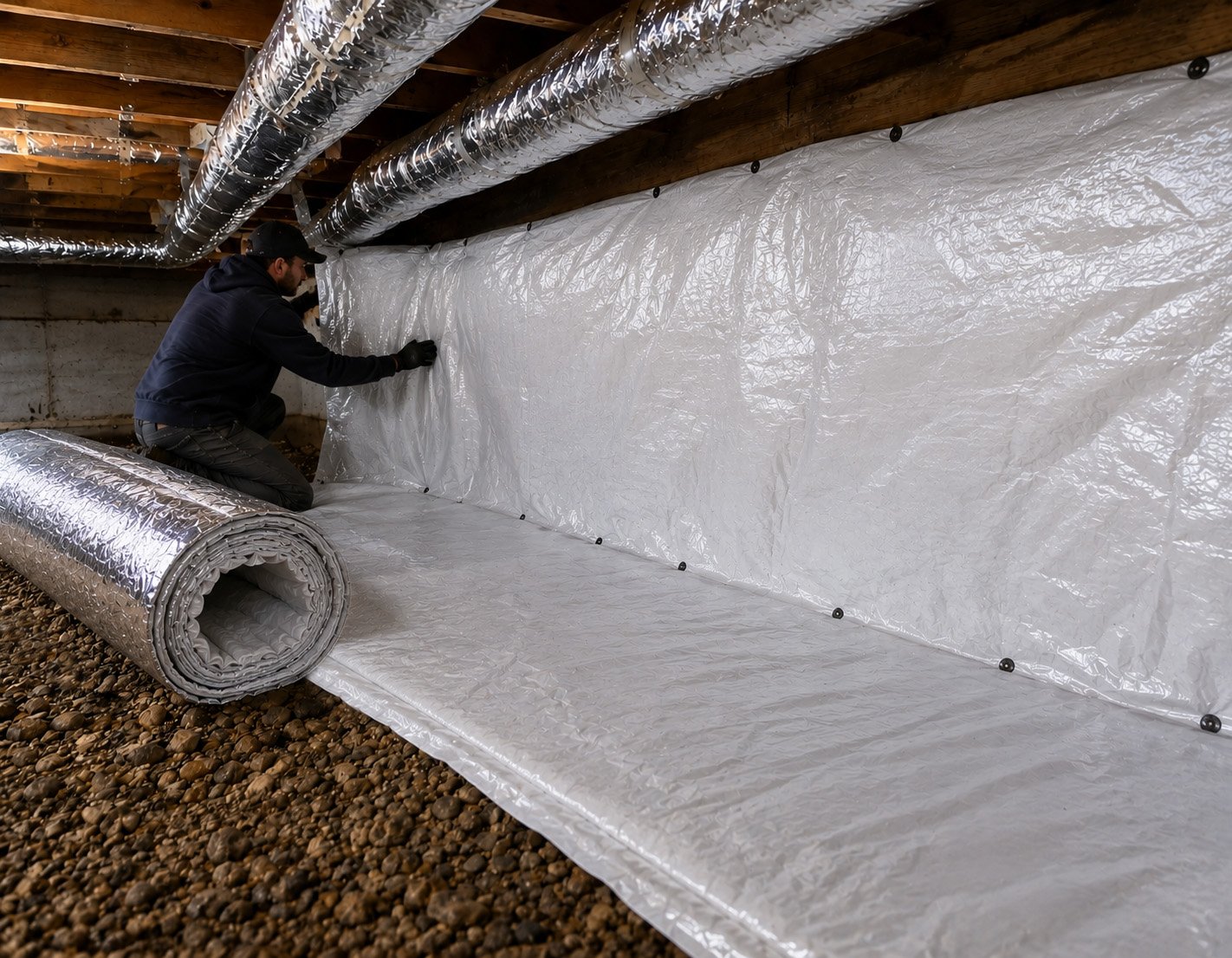
A protective liner system: A durable liner covers and seals the floor, foundation walls, and areas around piers.
A moisture-control system: Sealed vents and openings, often paired with a dehumidifier, help control humidity inside the space.
What Crawl Space Encapsulation Means
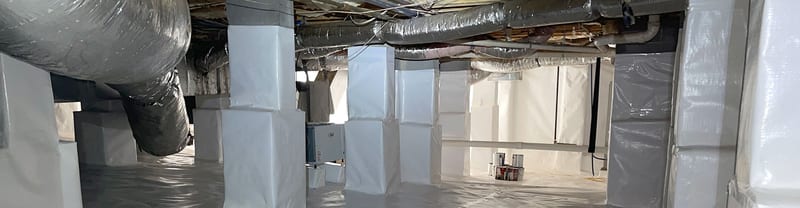
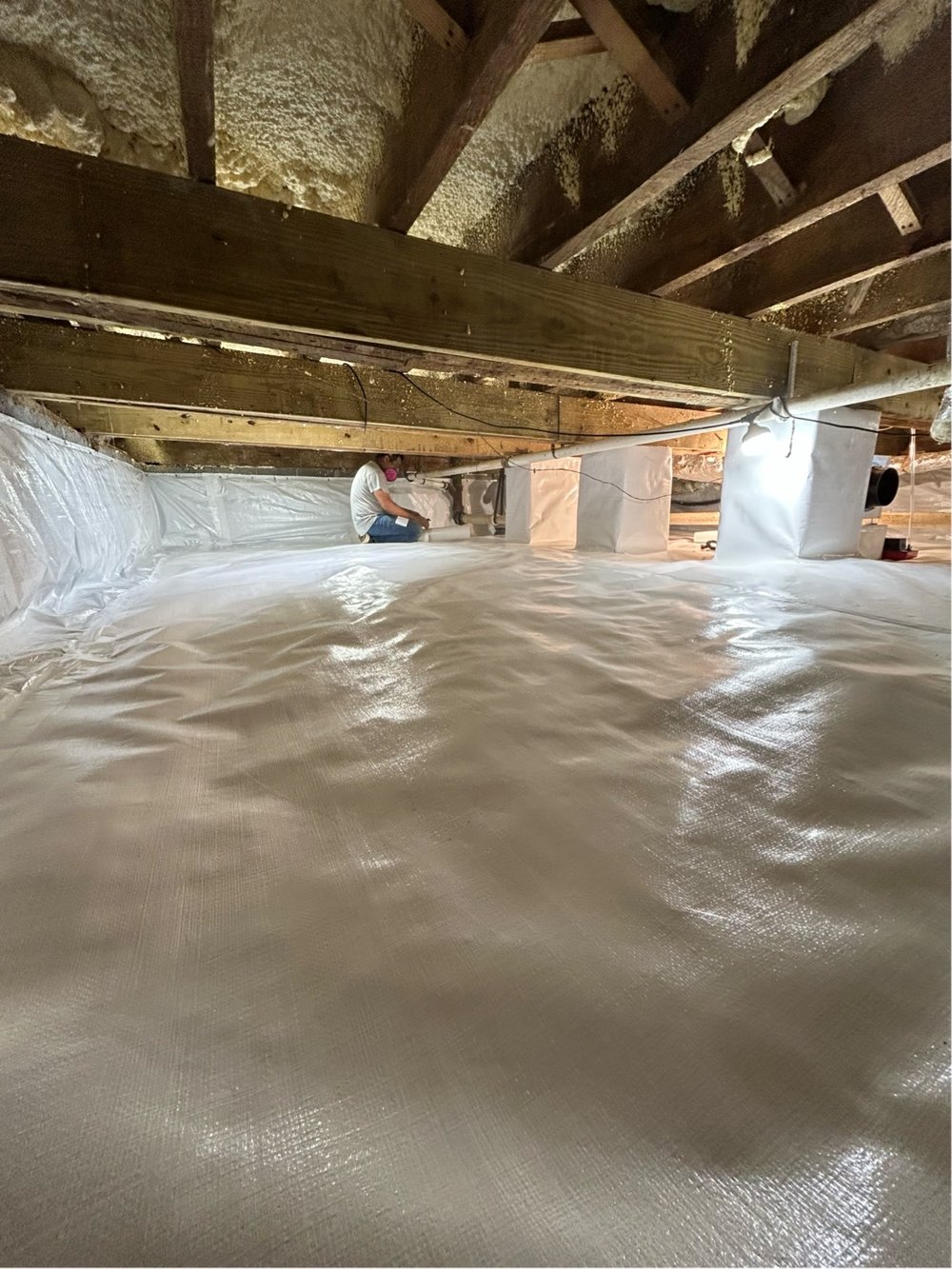
Crawl space encapsulation means wrapping and sealing the crawl space. Unlike a basic vapor barrier, full encapsulation covers the floor and walls, seals vents and the access door, and turns a vented crawl space into a sealed, controlled environment. Crawl space encapsulation helps deter pests and keep outside moisture and humid air out.
Encapsulation vs. a Basic Vapor Barrier
Many homeowners searching “what is a crawl space encapsulation?” are trying to understand how it differs from a basic vapor barrier. A basic vapor barrier is typically a thin sheet of plastic placed over the dirt floor, while full encapsulation creates a more complete seal. Encapsulation uses a reinforced liner across the floor, walls, and around piers, along with sealed vents and an airtight access door to better control moisture.
Vented vs. Sealed Crawl Spaces
Older homes often have vented crawl spaces based on the idea that outside airflow keeps the area dry. However, building science research shows that bringing humid outdoor air into a cooler crawl space can increase moisture problems. This is why sealed crawl spaces are often better suited for humid areas throughout the Southeast and Mid-Atlantic.
Why Crawl Space Encapsulation Matters for Your Home
Encapsulation helps control moisture beneath your home, protecting the structure, improving comfort, and supporting better energy efficiency. Here are some of the biggest benefits for homeowners.
Moisture and Mold Prevention
High crawl space humidity creates conditions for mold growth on floor joists and subfloors. Encapsulation helps reduce moisture at the source, while professional crawl space mold removal addresses existing growth.
Structural Protection
Long-term moisture exposure can contribute to fungal growth and wood decay in floor joists, beams, and other structural components. Encapsulation helps manage moisture levels and prevent damage.
Energy Efficiency and Indoor Comfort
Sealing and properly insulating a crawl space reduces unwanted air movement and heat transfer, improving energy efficiency and floor comfort year-round.
How the Crawl Space Encapsulation Process Works
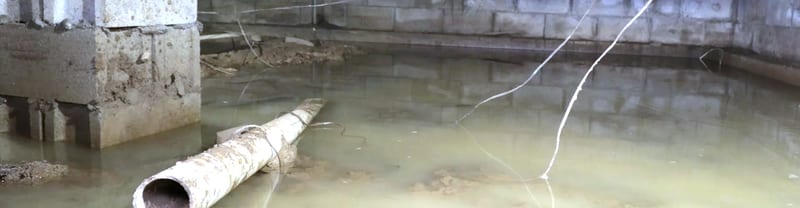
Crawl space encapsulation transforms an open, moisture-prone crawl space into a cleaner, controlled environment. Before encapsulation, you may see bare dirt, old plastic, open vents, exposed joists, or standing water. Afterward, a sealed liner covers the floor and walls, closed vents block outside air, and a dehumidifier helps control humidity.
Step 1: Inspection and Debris Removal
Crawl Space Brothers inspects for mold, standing water, damaged insulation, pests, and structural concerns. If water has entered the crawl space, our team may recommend crawl space waterproofing or a French drain before encapsulation. We remove old insulation and debris as needed to prepare the space.
Step 2: Installing the Vapor Barrier Liner
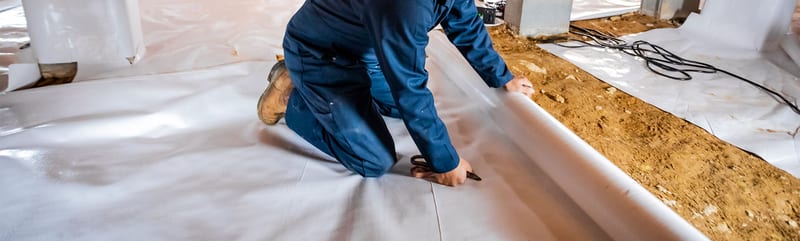
The team installs a heavy-duty liner across the crawl space floor and extends it up the foundation walls, carefully overlapping and sealing the seams. They also wrap piers and columns to create a more continuous moisture barrier throughout the space.
Step 3: Sealing Vents, Gaps, and the Access Door
The team seals foundation vents, gaps, and openings around pipes, wiring, and other penetrations to limit outside air and moisture. They also seal or upgrade the access door to help create a controlled crawl space environment.
Step 4: Humidity Control (Dehumidifier or Conditioning)
After sealing the crawl space, the team addresses remaining humidity to keep moisture levels under control if necessary. Properly sized crawl space dehumidifier installation removes excess moisture and maintains more consistent humidity throughout the space.
How Much Does Crawl Space Encapsulation Cost?
The average cost of crawl space encapsulation depends on the size, condition, materials, and additional work your crawl space needs.
Crawl space size: Larger spaces require more liner, materials, and labor.
Existing conditions: Mold, standing water, damaged insulation, or structural issues may require repairs first.
Liner type: Liner thickness, reinforcement, and material quality can affect the cost.
Additional features: Dehumidifiers, French drains, vent covers, and access doors can increase the total price.
Crawl Space Encapsulation FAQs
What is encapsulation of crawl space areas?
Crawl space encapsulation involves sealing the floor and walls with a durable liner and closing vents, gaps, and other openings. This process helps control moisture and creates a cleaner, more protected environment beneath the home.
Is crawl space encapsulation worth it?
For many homes in humid climates, encapsulation controls moisture, protects structural wood, and improves comfort and energy efficiency. Its value depends on your home's crawl space conditions and existing moisture problems.
What is the difference between a vapor barrier and encapsulation?
A vapor barrier primarily covers the crawl space floor to limit moisture from the ground. Encapsulation creates a complete system by covering the floor and walls and sealing vents, gaps, and the access door.
What is the average cost of crawl space encapsulation?
Crawl space encapsulation cost varies based on crawl space size, existing conditions, liner type, and features such as drainage or a dehumidifier. An on-site inspection provides the most accurate estimate for your home.
How long does crawl space encapsulation last?
A professionally installed encapsulation system provides long-term moisture protection, but lifespan varies based on the liner, installation quality, crawl space conditions, and maintenance. Schedule regular inspections to check for liner damage, separated seams, or dehumidifier problems.
Does encapsulation require a dehumidifier?
Many sealed crawl spaces in humid climates benefit from a properly sized dehumidifier to control remaining moisture. The right humidity-control method depends on the crawl space design, climate, and conditions.